




|
|
|||||||||||||||||||||
|
|
|
|
|||||||||||||||||||
|
|
|
|
|||||||||||||||||||
|
|
|||||||||||||||||||||
| Edition 3 |
|
|
|||||||||||||||||||
|
|
|||||||||||||||||||||
|
|
|
|
|
|
|
|
|
|
|
|
|
|
|
|
|
||||||
|
|
|
|
|
|
|
|
|
|
|||||||||||||
|
|
|
|
|
|
|
|
|
|
|
|
|
|
|
|
|
|
|
|
|
|
|
|
 |
|
|
||||||
|
|
||||||||
|
PORTAPAKS, PEOPLE AND PROGRAMS | |
|
||||||
|
 |
|
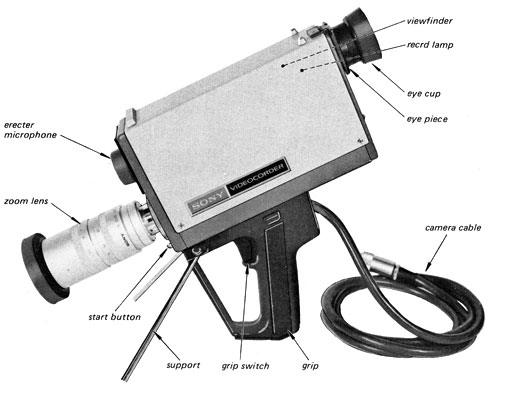
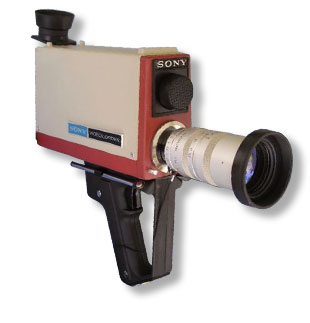
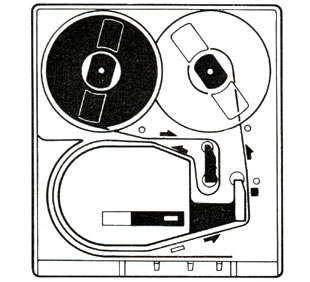
The portapak revolution had started in 1967 and spread around the world, finally arriving in Australia in the early 70’s. It was a brand new technology that really had no peer. This was a defining moment – you could now freely record what you wanted, then instantly show that video to others. Everyday people were starting to become “videomakers”. At that time the most realistic choice for the amateur filmmaker was to produce moving pictures on either 8mm or Super 8 film. It was an expensive pastime requiring a camera, lights, film, processing, splicer, projector and of course if you wanted sound that was an extra expense. The prospect of purchasing all this equipment was beyond the reach of most people. Film was generally shot as short clips – the ability to film continuously for extended periods was not only prohibitively expensive but beyond the capabilities of most of the cameras. The arrival of portable video equipment to Australia along with the introduction of Community Access Video in 1974 was about to change all that. Like the Model T Ford, portapaks were to lay the foundations for a whole new way of doing things in the decades to come. Today’s social media with videos of everyday people communicating their message, be it political, social or for entertainment can be traced back to the aspirations of those involved with access video. The portapak was a new tool that gave you the chance to say something and be heard, the chance to show something and be seen. Getting your message out there was still an issue, but this was a start, the potential was now there to be harnessed. To begin, it's important to understand that the world of 1974 was technologically very different to what it is today - we still sent letters, when you spoke on the phone it had wires connected to it, photocopiers had just started to appear in libraries and government offices, a stills camera took a maximum of 36 photos which would take a week to process, television was in black and white, the typewriter had just become “electric”. There were no CD’s, mp3 players, digital stills camera, mobile phones, DVD’s, ipads, email, Google or Facebook - in fact the first real home computers were at least 10 years away and the internet another 20 or so years into the future. Things were much simpler. THE PORTAPAK Portapaks were large and heavy by today’s standards - about the size of two shoeboxes weighing in at 11.3kgs including the camera. The tape was threaded onto the machine manually: you could record continuously for up to half an hour and a rotary control gave fine adjustment of the tapes tracking during playback. You could fast-forward, rewind and pause the tape and the audio dub “lever” allowed the single audio track to be recorded over with a new sound track. An external microphone and headphones could be connected to the portapak via mini jacks that were often noisy and unreliable and the camera connected via a 10 pin cable that demanded respect. A battery level indicator was situated on the front panel of the unit and the TV/CAMERA switch located on the side, selected what mode you were in - either record or playback. The camera came with a built in microphone, 1.2” electronic viewfinder, flip up eyepiece and a record button - which could be triggered via the pistol grip or on the camera body itself. A red LED inside the viewfinder housing indicated when you were recording. The lens provided manual zoom, focus and aperture, and a permanent automatic gain applied to both audio and video, which couldn’t be adjusted or switched off. Pointing the camera at a bright light would “burn” the vidicon tube, leaving a permanent mark on it - all images recorded from then on would have dark marks over the picture where the vidicon tube had been exposed to the bright light. |
|
|||||
| David Page shoots a meeting of Western Communications Co operative at the Western Region Education Centre July 1976 | |
|
|||||||
|
|
||||||||
 |
|
||||||||
| The Sony AV-3420CE Portable video tape recorder | |
||||||||
|
|
||||||||
 |
|
||||||||
| The Sony AVC-3420CE Portable video camera | |
||||||||
|
|
||||||||
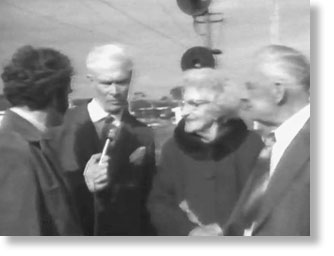
| Playback of the half-inch open reel videotape was via an RF unit to a standard television, via a ten pin cable to a monitor or direct to the camera’s viewfinder. When you no longer needed that footage, the tape could be reused. The system boasted a “high resolution” of more than 300 lines and the ability to run off the mains via a power adaptor or with a battery that would last for approximately 30 minutes. There were no menu systems, flip out LCD screens, choice of effects, timecode or viewfinder displays – these were simple systems that anyone could learn to use. FIRST REACTIONS The ability to record audio and video on a portable device and immediately play it back on a regular television was just incredible. Compared to the broadcast television picture you picked up at home in those days, these images were “stable, clear and with vivid contrast”, just like the Sony brochure proclaimed. Television (video) had never looked so crisp and clean. When people saw their first pictures from a portapak, they were amazed – it was fantastic! Often the accompanying sound was a big surprise as most domestic films of the day were silent. A big smile would appear on their faces - conversation paused – and the potential of what lay before them was overwhelming. You could almost hear them thinking, contemplating what they might do with this remarkable equipment. THE PEOPLE AND THEIR PROGRAMS The video centres attracted all manner of people, who under normal circumstances, may never have met. On arrival you’d find people learning to use a portapak, tapes being shown, others discussing their ideas and programs being edited. There was a buzz in the air . . . and it was electric. Age gaps would disappear, as new videomakers both young and old, would work together on the latest project. A high school student taught a group of primary school teachers how to use the portapak and the role reversal really didn’t matter - video was so new that experience could be counted in weeks or months, and if you had that “experience” people would lean forward and listen. Across the region, staff and volunteers conducted portapak workshops, as the “new” knowledge was shared from one videomaker to the next - everyone was eager to learn. Video became the bond that created a new community of like-minded people, discussing, learning and shooting video. It didn’t take long for the first tapes to be made - family videos, sporting matches, school activities, speeches, concerts and plays. People were starting to get to know the equipment, working out what it could do. The first large-scale community based project by Turtle Video was the “Back to Altona” celebrations in October of 1974. Several programs were produced including “I remember Altona” where Altona residents discussed their early memories of the area - and coverage of the “Jubilee Train Trip” interviewing passengers on the ride celebrating 50 years of Government ownership of the Altona rail line. November 1974 and the videomakers group in Altona discussed producing a regular news magazine style program - it ran for more than two years as “Channel Four News”. Keilor residents made a tape protesting against quarry blasting. A group of Deer Park mothers began a campaign highlighting the lack of facilities in the area and the video they produced helped secure a new children’s centre – never before had the community had such a powerful way to tell their story. Programs were made about pollution in Braybrook, the social problems facing youth, property developments in the Maribyrnong River Valley and traffic issues in Footscray - all made by locals, covering topics and issues that were important to them. These were exciting times and a lot was happening. Nursing mothers were shown the latest techniques in breastfeeding and the Playgroups Association promoted the benefits of joining a local group. A regular school camp was videotaped and shown to migrant families in order to encourage them to allow their children to participate, while an experimental “Lord of the Flies” camp was recorded as a report on what took place. Programs promoted healthy food for primary school canteens, to local course activities run by Community Outreach in Williamstown. Synchronised swimmers, marching girls and other sporting clubs recorded their activities for analysis and posterity. Thirty miles of Footscray streetscapes were recorded as were large scale building and civic projects in the area, all to be held for future generations to see. Community festivals and special events were being videotaped all over the region with members from both video centres working together to cover them. Funding of the centres never really allowed any serious analysis of the impact of all these activities, but in pockets scattered across the suburbs, video had, and was, making a real impact. THE INCREDIBLE MIRROR MACHINE The Turtle and Footscray Video Centres had taken the portapak to the people and they in turn took it out into the streets. Communities could now see a reflection of themselves, see a little more of who they were. Voices that had often remained silent now discovered a confidence that enabled them to convey to others the things they wanted to say . . . through the use of video. The Portapak had given people a public voice - a whole new way to be seen and heard. |
|
||||||||
 |
|
||||||||
| Vaughan Mawbey interviewing residents for “I Remember Altona” October 1974 |
|
|
|||||||
|
|
||||||||
 |
|
||||||||
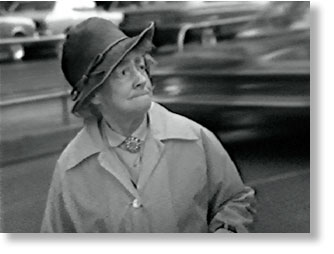
| Interviewing people on the streets of Melbourne 1976 | |
|
|||||||
|
|
||||||||
 |
|
||||||||
|
Many organisations and groups were touched by the spread of Community Access Video through the Turtle and Footscray Centres. The following list is incomplete but it does serve to illustrate the reach that video made in Melbourne’s Western Suburbs. |
|
|||||||
 |
|
||||||||
|
|
||||||||
 |
|
||||||||
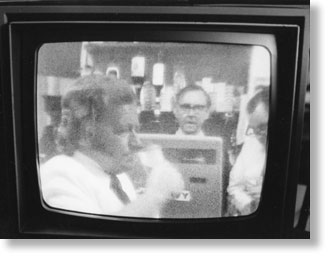
| The Steam Packet Hotel - November 1975 | |
|
|||||||
|
|
||||||||
|
|
||||||||
|
|
|
|
|
|
|
|
|
|
|
|
|||||||||||||||
|
|

|
|
 |
|
 |
|
 |
|
 |
|
 |
|
|||
 |
|||||||||||||||
 |
|
Reuniting friends and members of Community Access Video Centres from Melbournes Western Suburbs, Victoria, Australia A non profit project © REUNION INTERNATIONAL PICTURES 2010 - 2011 |
|
 |
|||||||||||
|
|
|||||||||||||||
|
|
|
|
|
|
|
|
|
|
|
|
|
|
|
|
|