



|
|
|||||||||||||||||||||
|
|
|
|
|||||||||||||||||||
|
|
|
|
|||||||||||||||||||
|
|
|||||||||||||||||||||
| Edition 3 |
|
|
|||||||||||||||||||
|
|
|||||||||||||||||||||
|
|
|
|
|
|
|
|
|
|
|
|
|
|
|
|
|
||||||
|
|
|
|
|
|
|
|
|
|
|||||||||||||
|
|
|
|
|
|
|
|
|
|
|
|
|
|
|
|
|
|
|
|
|
|
|
|
 |
|
|
||||||||||
|
 |
|
|
||||||||||
|
|
||||||||||||
|
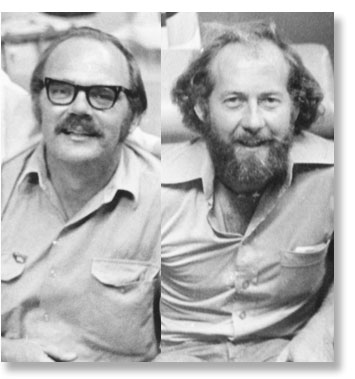
More than just videomakers The access video program in Melbourne’s West was based on the contribution of volunteer videomakers. Alan Dyall and Ted Peck, two original members of Turtle Video / Western Communications Co–Operative, were active videomakers. Both would be seen regularly organising their next project. Alan Dyall and Ted Peck did more than just shoot videotape. Alan Dyall Alan’s first introduction to video was in September 1974. Two weeks later he was involved in the shooting of the “Back to Altona” celebrations. Alan’s diary from the time talks of his friend John Huntley telling him about a shop in Altona called Turtle Video. |
|
|
||||||||||
| Alan Dyall and Ted Peck Directors - Western Communications Co operative 1977/78 |
|
|
|||||||||||
|
|
||||||||||||
|
 |
|
|
||||||||||
|
Alan wrote “He told us a story that changed my life”. (“An excerpt from Alan Dyall’s diary” - see this week’s Paperfile)
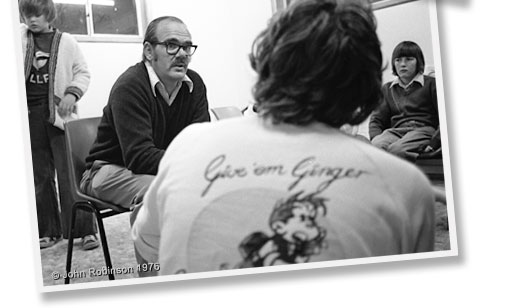
Alan quickly became involved in Turtle Video’s day to day operations. He regularly opened the Pier Street shop to the public at weekends and weeknights; attended meetings; taught new users and worked on video projects. On Sunday 2nd March 1975, Alan opened his house to the public as part of the activities of Turtle Video’s ‘Community Report’, screening tapes he’d made to interested people; another way video could be introduced to the public. Alan produced videos for family and friends and was also involved in recording the activities of many groups in the area. From scouting jamborees to elderly citizens concerts, dance competitions to stage plays, Alans videos would bring smiles to the faces of thousands of people in Melbourne’s west. Always seen in his trademark kombi van proudly displaying the Westcom banner, Alan documented many major projects in the Altona area. He recorded the turning of the first soil at Toyota’s Altona plant and the beginning of the rail line extension beyond Altona. Alan would visit these sites over extended periods shooting their progress, compiling a history. Always eager to share conversation with people he’d just met, Alan introduced video to many in the local area, both in an informal way and through his voluntary work for both Turtle Video and later Westcom. As part of Turtle Video’s expanding network of access points, a portpak was placed at the Altona Library - Alan helped develop its overall video activities and for many years trained local people in weekly, individual portapak workshops. Peter Fraser, Altona Chief Librarian and later a Director of Westcom 1976* wrote: “Where it has worked well is largely because we’ve had someone to teach it (portapaks) all the time. People can arrange to come any week. They know they can just drop in very casually” Alan’s interest in sharing his video experience with the community can best be summed up in his own words, “I get enough enjoyment out of teaching other people.” (Alan Dyall 1976)* |
|
|
||||||||||
 |
|
||||||||||||
 |
|
||||||||||||
|
|
||||||||||||
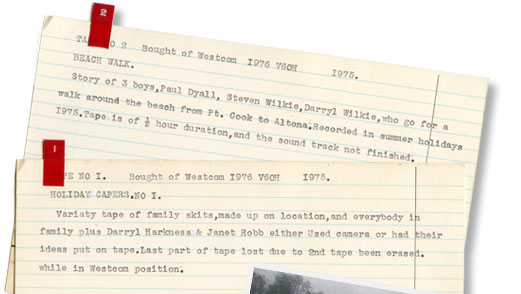
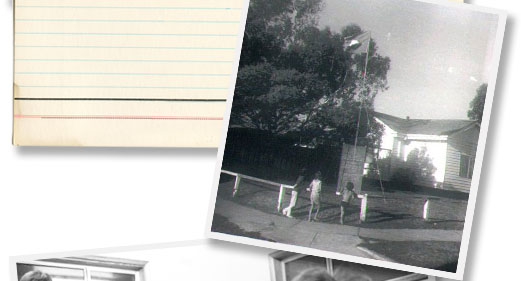
Top to Bottom - Alan Dyalls videotape catalogue cards |
|
||||||||||||
|
|
||||||||||||
|
 |
|
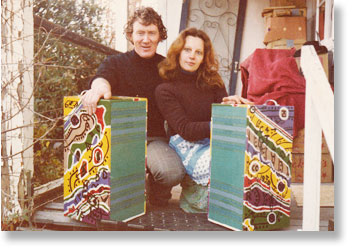
Alan performed in many of his early family videos and in 1991 had a role in “Scarless - the Movie”. Brian Williams, Mac Gudgeon and John Robinson all matured as writers after their stint in Melbourne’s west. Alan too is a writer and a gifted storyteller. Ask him to tell you his story ‘All Work and No Play’, about his life growing up in Williamstown, especially the night of the GIANT Hare! And there’s another side to Alan................................................................. When Lassya and Malcolm retired from Westcom the Co-operative presented them with two audio speakers made by Alan. As if reaching deep into the Australian past, Alan’s amazing artwork on the speakers was like the Songlines of community video in the region. Ted Peck Ted Peck was introduced to video via friends Ray Whitehurst and Colin Dyall (Alans brother). As a keen amateur photographer he had an instant attraction to the medium, enjoying the company of others who shared his new interest. Ted was volunteering at the Williamstown Youth Club and had the idea of “letting children see themselves as children while they were still young enough to see themselves as children – and I guess that’s the first thing I did with video.” (Ted Peck 1976)* At Youth Club meetings and camps, Ted introduced video as an elective - “It was just a ball . . . people started to use the equipment.” Ted produced many tapes of his family with the idea that video was a unique way to record their history - filming all manner of occasions over the years for the benefit of future generations. Unfortunately the early tape formats have not survived well severely limiting what could be preserved. One of the people that Ted introduced to video was his father-in-law who also became hooked on the experience. A key part of Ted’s life was his involvement with his church. Ted had a deep sense of the value of community. He brought this to everything he did. It made a valuable contribution to the atmosphere around the community video project. He worked on different productions including Rob Manderson’s "Spider and the Fly" and with Channel Four on the "Altona Day Parade" series. Ted's in front of the camera appearances included "Cobbledicks Ford" and a special role in "Scarless - the Movie". Alan and Ted Both Ted and Alan got so involved in videomaking that they purchased their own equipment - black and white porta-paks at first and later colour. They were also major players whenever Turtle and Westcom moved, building new control rooms and editing benches (on three occasions) suited to the new premises. Both also innovated – Alan building several camera mounts and platforms for his kombi van allowing shooting to be done from on top of his van or from a moving vehicle and Ted with his camera arm and backpack mount used on the Altona Parade For many years they both actively served Western Communications as Directors, dealing with the day to day issues of a busy co- operative. For Alan and Ted, their outstanding contribution and commitment to Westcom is unquestionable. The two were indeed more than just videomakers. * from Community Report No 3 August 1976 (see “Paperfile” week 3) |
|
|
||||||||
| Malcolm and Lassya with the speakers Alan Dyall painted | |
|
|||||||||||
|
|
||||||||||||
 |
|
||||||||||||
| L to R - Ted Peck and Gary Shaw at a meeting of Western Communications at 3 Freyer Street Williamstown | |
|
|||||||||||
|
|
||||||||||||
 |
|
||||||||||||
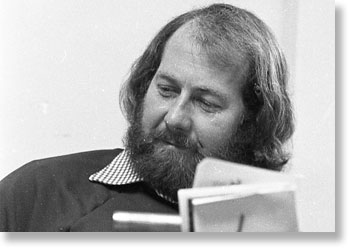
| Ted Peck at a meeting of Western Communications held at the Western Region Education Centre 1976 | |
|
|||||||||||
|
|
||||||||||||
|
|
||||||||||||
|
|
|
|
|
|
|
|
|
|
|
|
|
|
|
|
|||||||||||||||
|
|
 |
|
 |
|
 |
|
 |
|
 |
|
 |
|
|||
 |
|||||||||||||||
 |
|
Reuniting friends and members of Community Access Video Centres from Melbournes Western Suburbs, Victoria, Australia |
|
 |
|||||||||||
|
|
|||||||||||||||
|
|
|
|
|
|
|
|
|
|
|
|
|
|
|
|
|